Marine Coaxial Cables
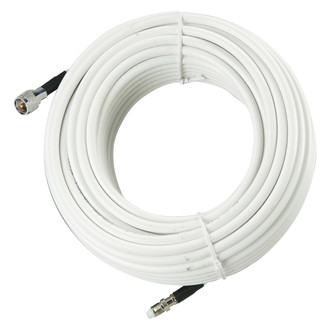
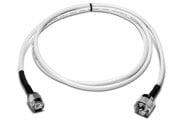
A coaxial cable has a center conductor and outer conductor separated by a thick dielectric insulator. The outer conductor, also known as a shield, looks like an interwoven braid and is enclosed in protective outer insulation. This type of cable has earned its name because of the conductors sharing a common axis. Its construction allows for transferring radio frequency waves with minimal possible signal loss and minimal radio interference. If a conventional wire was used for carrying RF signals, it would essentially act as an inefficient antenna, losing much of the energy and causing interference. A shield is what keeps that energy contained.
Common applications for coax cables include providing a connection between antennas and transmitters or receivers, including VHF, AIS, GPS, etc. It goes without saying that the quality of cable and its characteristics have a huge impact on signal transmission and hence the performance of crucial safety and connectivity equipment on your boat. The bigger the diameter of the cable, the less energy is lost, so it's generally recommended to run the largest cable you can use if you want to minimize signal loss, especially in long-cable setups. We carry marine coaxial cables that will keep your on-board equipment performing as designed.