Sailing Cleats
Featured Brands




-
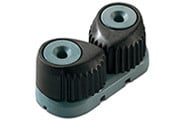
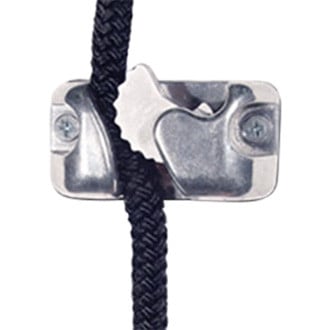
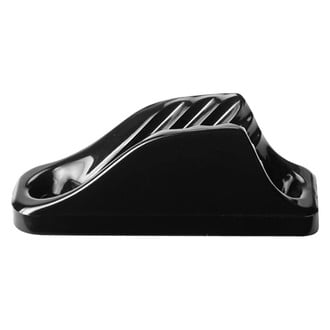 Sea Dog® - Clamcleat™ Major Verticle Cleat for 5/8" D Ropes$24.03 - $25.41
 -

-
-

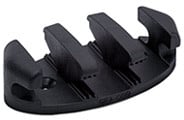
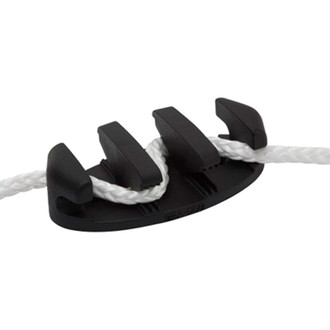
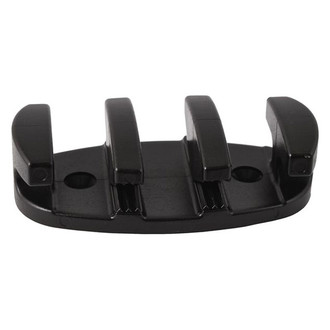
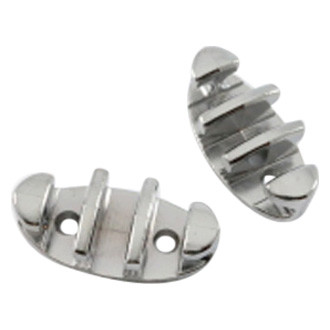
- Attwood® - Zig-Zag Cleats for 3/8" D Ropes$9.50 - $15.38
-
-
-
-
-
-
-
-
-
-
-
-
-
-
-
-
-

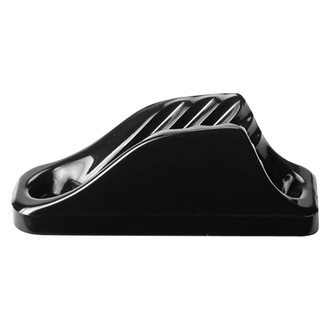
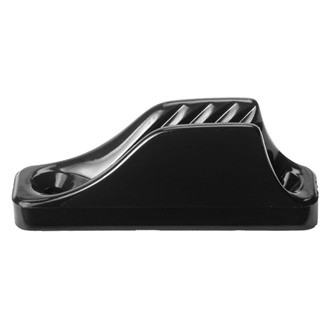
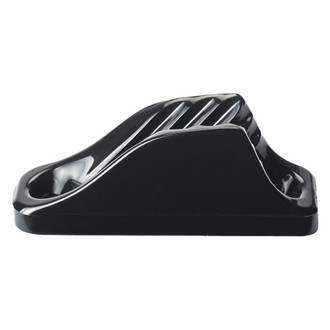
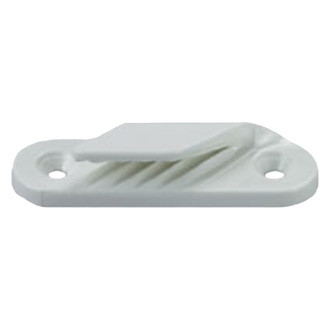

To enable you to handle a vessel, a complex apparatus which includes cordage, sails, and spars is required. The function of rigging is secured by the auxiliary parts of the hull, or fittings, which include different types of sailing cleats. To help you maintain or equip your vessel, our online store offers and delivers these proven-quality components for cordage fixing, aiming to meet your line holding needs.
The main function of sailing cleats is providing a convenient location for tying your boat. With boat and docking cleats, mooring becomes an easy task that can be coped with swiftly. A variety of sailing cleats is truly great, ranging from horn, jam, clam and cam cleats to innovative retractable pull-up and pop-up cleats, solar light and bitt cleats. Featuring conventional or custom decorative look, sailing cleats are accessories that can also add a stylish touch to the look of your vessel. When selecting the right cleats, mounting location, boat size and specific application purpose have to be taken into account.
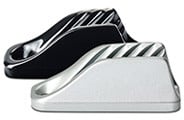
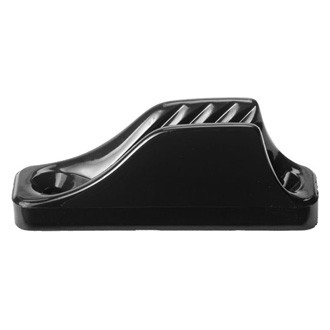
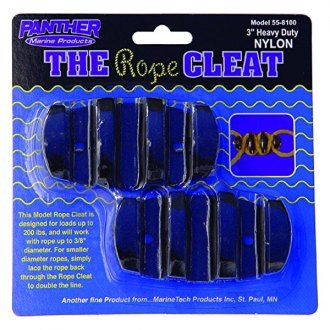
Horn cleats feature conventional anvil-shaped cleat design, with two protruding horns parallel to the deck. Cam cleats have a couple of spring-loaded cams that allow the line to be adjusted and released easily by pinching the rope. A jam cleat employs the same principle, but pinches the line in a V-shaped slot. A clamp cleat gets its name from a resemblance with a clam shell and a rope fixed between its two halves. Though more compact than the cam cleat, this configuration tends to release the rope less easily when under load. Innovative pop-up and pull-up cleats are also referred to as safety cleats, as they can be flipped or pushed down, decreasing a chance of tripping.
Apart from the type of cleat configuration, special attention should be paid to the material from which the cleat is made. Wood is typically used for small decorative cleats that will not carry much load, while sturdy galvanized and stainless steel cleats are used for both stern and dock lines. Nylon and aluminum cleats are also available, though being not so common. As for the size you need, it is always in direct correlation with the size of your boat and the diameter of the lines you use. Sailing cleats need to be placed at regular intervals along the sides of your boat, with minimum three units on each side.