Marine Engine Anodes
-
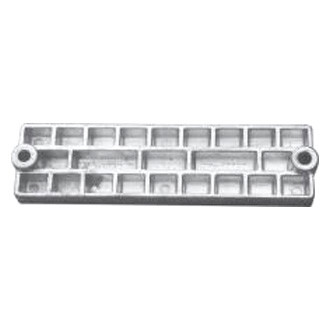
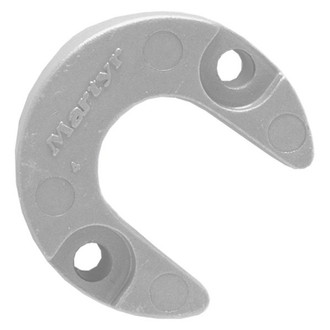 Martyr® - MerCruiser Magnesium Trim Cylinder Anode$15.78 - $16.72
 -
-
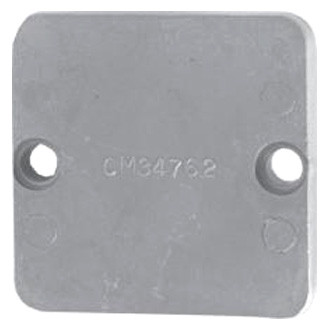 Martyr® - MerCruiser Zinc Cavitation Plate Anode$15.91 - $24.41
 -
 Martyr® - MerCruiser Zinc Gimbal Block Anode$31.95 - $34.22
 -
- Martyr® - MerCruiser Zinc Skeg Anode$15.45 - $22.14
- Martyr® - MerCruiser Zinc Trim Cylinder Anode$8.09 - $12.85
-
-
-
- Martyr® - Mercury Aluminum Skeg Anode$15.44 - $17.00
-
-
-
-
-
-
-
- Martyr® - Mercury Magnesium Skeg Anode$15.92 - $21.84
-
-
-
- Martyr® - Mercury Zinc Gimbal Block Anode$31.95 - $34.22
-
- Martyr® - Mercury Zinc Skeg Anode$15.45 - $18.03
-
-
-
-
-
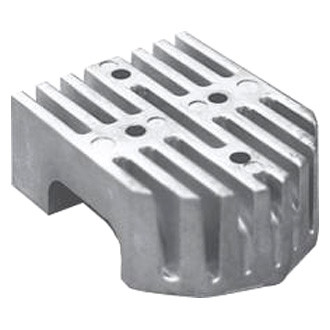
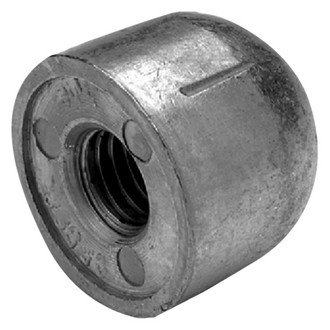
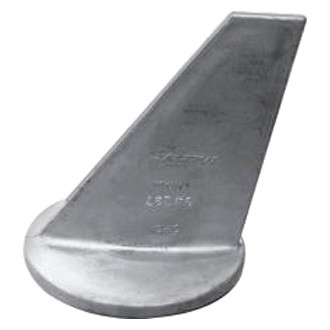
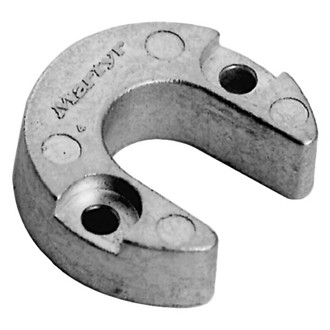
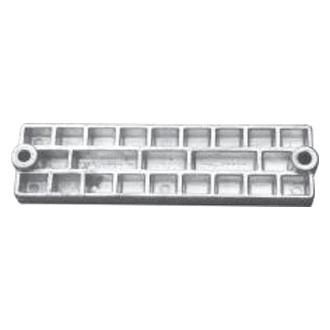
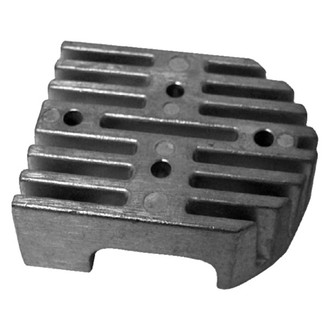
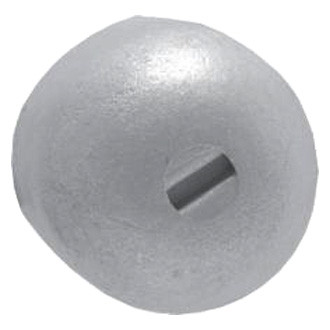
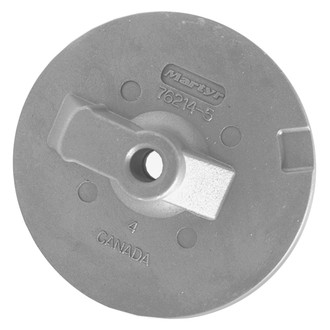
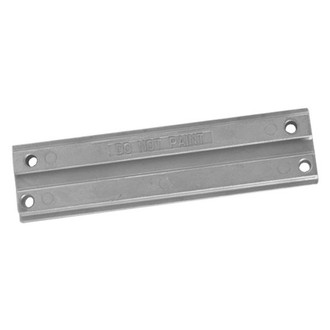
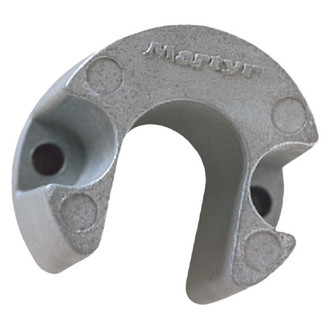
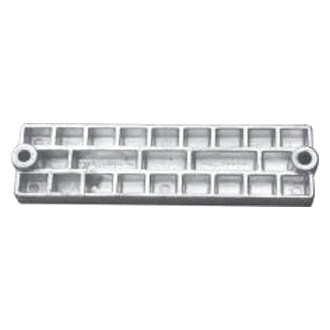
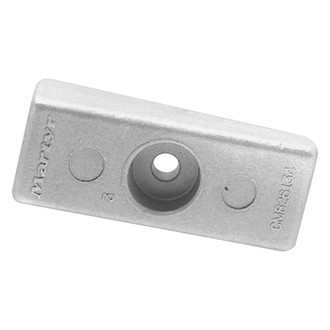
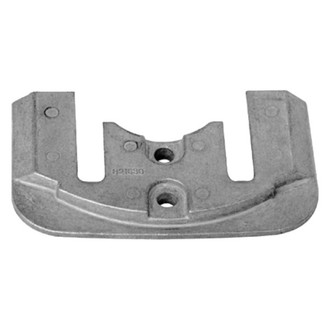
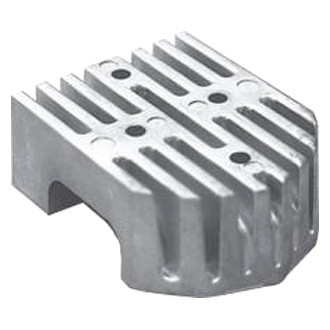
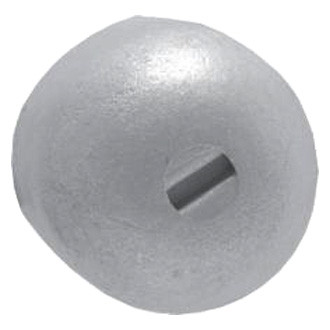
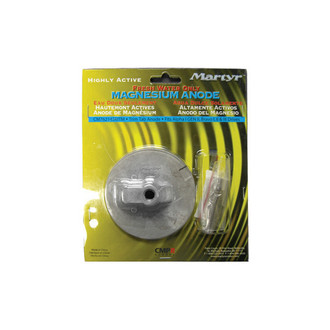
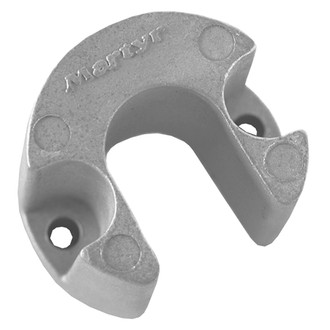
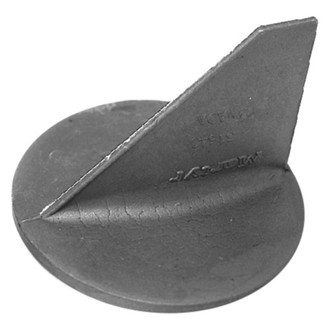
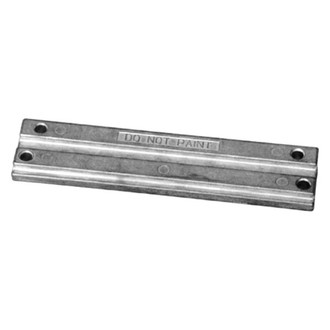
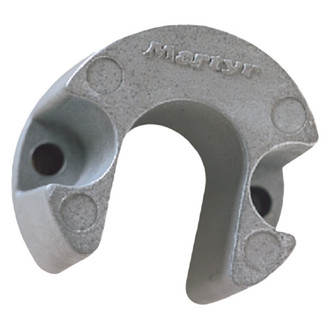
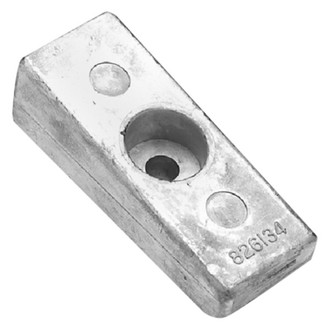
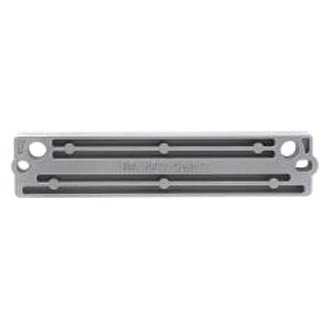
A physical phenomenon called galvanic corrosion is one of the enemies of shipbuilders and boaters. This issue is hard to address, and even metals like brass or stainless steel can gradually oxidize. There are special tables of metals showing their corrosion susceptibility, with magnesium, zinc, and aluminum located at the top of the list, while titanium, silver, gold, and platinum are placed at the bottom. The first group represents more active, anodic metals; if immersed into a corrosive solution (saltwater) with passive metals positioned closer to the table's bottom, the former will gradually dissolve to protect the latter.
In this regard, stainless steel is rather tricky, as it can be either active or passive, depending on the grade and treatment. To protect various boat parts from galvanic corrosion, you can use a tried-and-tested method – attaching replaceable anodes made of the most active metals. Their design and material are selected depending on the water type and parts they will protect, be it a gimbal housing, gearcase, or driveshaft. Typically, aluminum anodes are suitable for salt, brackish, and fresh water, while magnesium and zinc are utilized in fresh and salt water, respectively. If used vice versa, the last two metals will not be as effective and lasting. Browse our marine engine anodes inventory and choose from numerous high-quality options.