Alarm Systems
Featured Brands


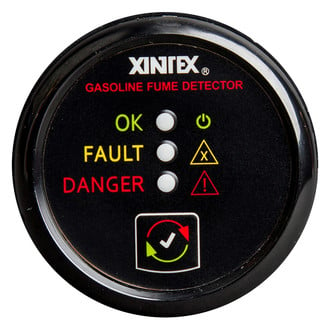

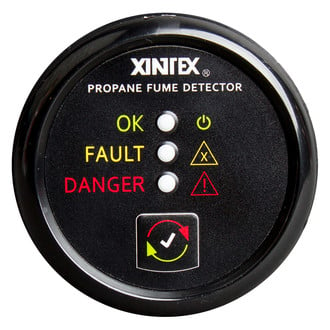
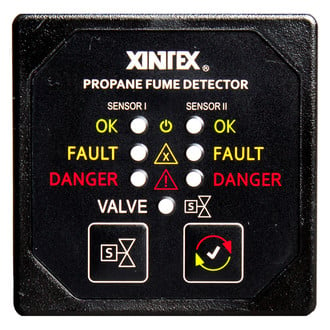
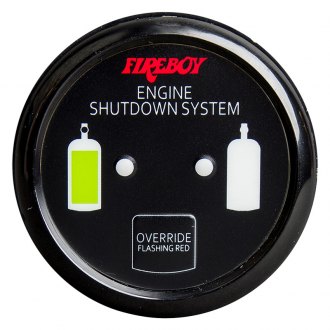
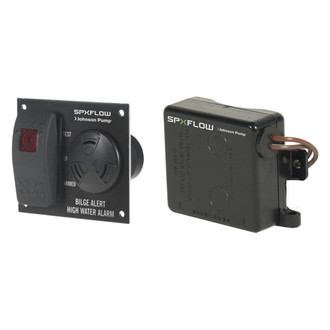

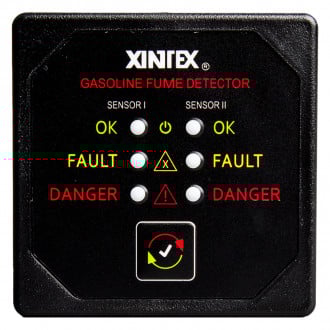
Prevention is better than cure, so having a reliable vapor detector on board will help to avoid some unexpected situations. These devices monitor the concentration of gases in the air and give a signal in case of danger. We always care about the safety of our customers and their enjoyment on the water, that’s the reason why our online store is stocked with high quality fume and fire detectors designed by the leading manufacturers in the industry.
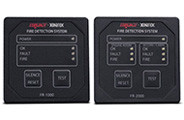
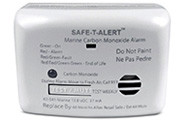
What are the types of detectors and how do they work? Vapor detectors sense the presence of toxic gases, such as propane or carbon monoxide. Propane is used for heating, cooking and fueling. However, a leak of this gas and its inhalation can cause a number of symptoms: cough, nausea, vomiting, skin irritation, dizziness, and many others. Carbon monoxide poisoning has the same effect on your health. As inhalation of these gases in high amount leads to unconsciousness or even death, it is crucial to notice the leak in time. In our store, you may find CO detectors made by Fireboy-Xintex, Maretron, etc.
We also offer a wide choice of carbon monoxide, gasoline and propane detectors possessing such technical features as a quick-disconnect 12-inch lead that connects to a standard 20-foot sensor cable for use with M-1, MB-1, M-2A, S-1, S-1A and S-2A fume detectors, plug-in connectors that eliminate wire routing during installation or sensor replacement, a Var-A-Brite indicator lamp that brightens during the day and softens at night, and many others. As for the detector details and replacement parts such as amp relays, remote horn output or helm displays for engine shutdown, they can also be bought in our web store.
An engine room is a place of all sorts of danger as heat and high concentration of gases can cause fume or gas intoxication. To keep the crew safe, heat and smoke detectors designed for engine rooms are used. Fume detectors can also sense big amounts of battery hydrogen or engine exhaust. It is recommended to install safety alarms not only in engine rooms or fuel storages, but in the salon, galley, and in all sleeping accommodations. When choosing a heat detector, take into consideration its sensitivity, audible and visible alarms, sensor mounting position and whether it is battery powered or hardwired.