Martyr Marine Anodes

-
-
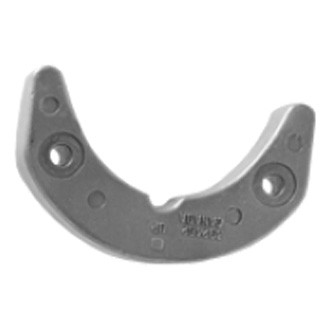
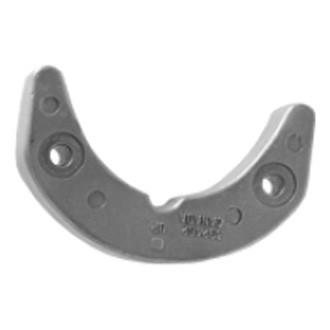 Martyr® - OMC Aluminum Transom Plate Anode$28.49 - $32.82
 -
-

-
-
-
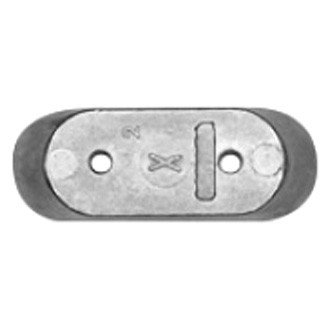
- Martyr® - OMC Zinc Transom Plate Anode$25.00 - $34.98
-
-
-
-
-
-
-
-
- Martyr® - Suzuki Zinc Skeg Anode$12.75 - $15.90
-
-
-
- Martyr® - Volvo Penta Aluminum Transom Bar Anode$23.01 - $86.45
-
-
-
-
- Martyr® - Volvo Penta Magnesium Transom Bar Anode$36.98 - $137.66
-
-
- Martyr® - Volvo Penta Zinc Transom Bar Anode$27.48 - $138.56
-
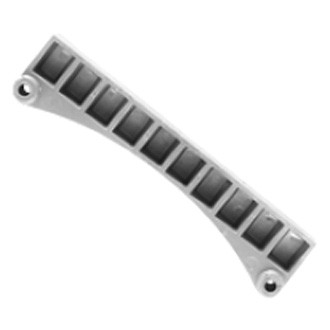
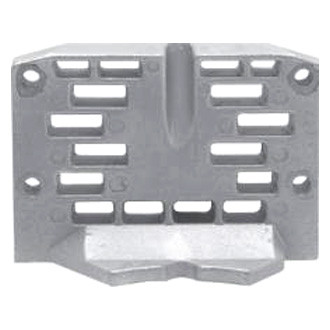
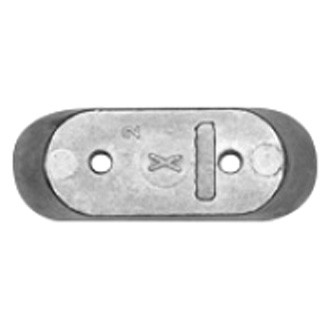
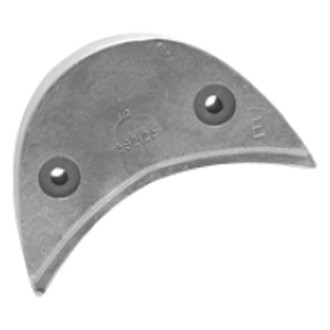
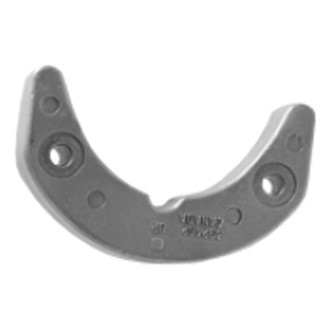
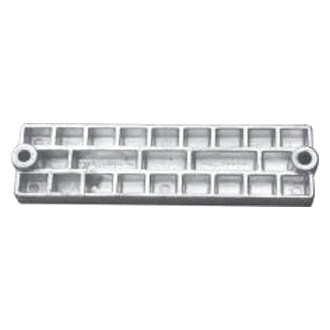
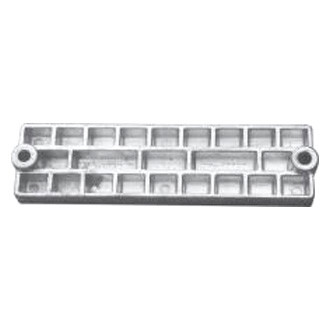
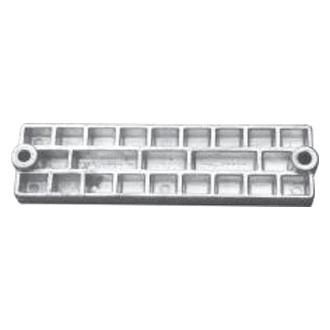

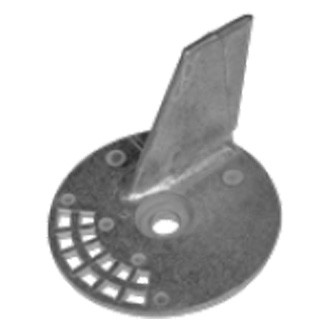
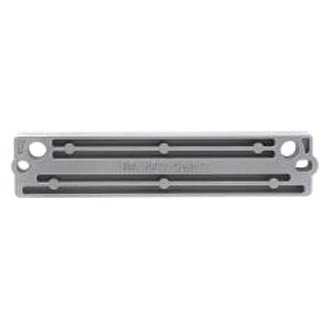
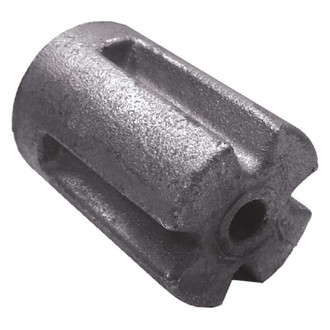
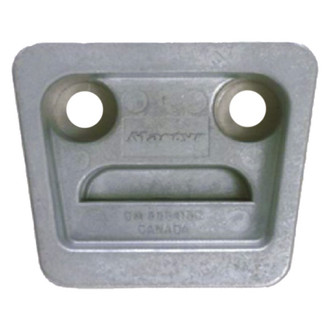
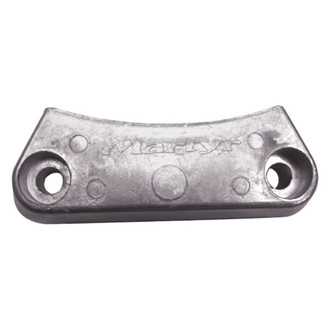
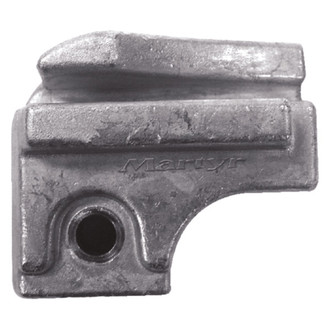
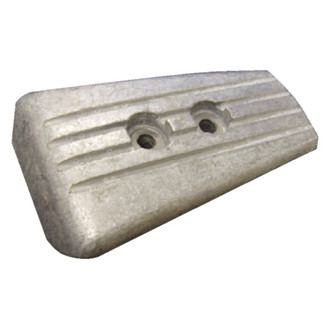
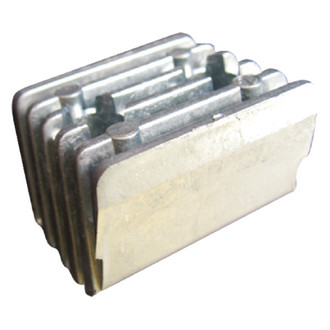
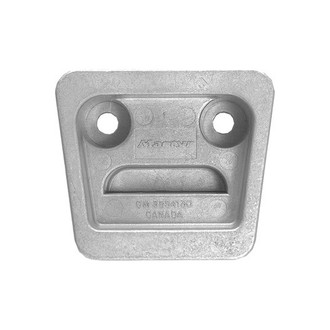
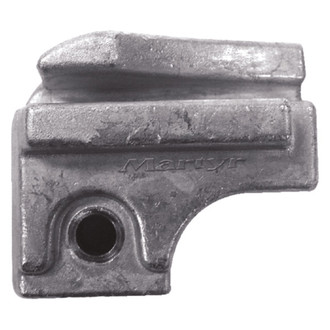
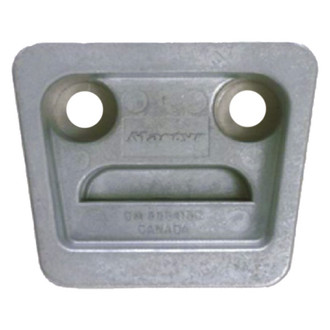
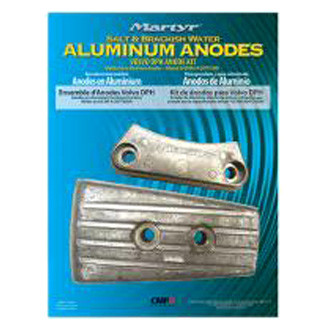
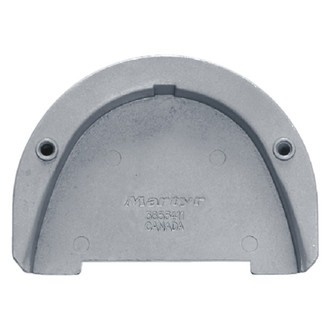
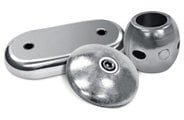
It's no secret that the marine environment is highly aggressive to steel. Salt water is a perfect conductor of electricity which greatly contributes to rapid oxidation, and even the finest paints and coatings can only slow down this unstoppable process. Sacrificial anodes can make it much slower, and they are employed to prevent corrosion of a vessel's hull, propellers, and shafts. Meanwhile, as their name implies, these anodes gradually deteriorate and lose their protective features. Most of them need annual inspection not to miss the time when new anodes should be installed.
Many experts recommend replacing these parts when they are worn by approximately 50 percent. In the modern market, they are offered by many companies. Martyr Anodes is a brand that belongs to the Canada Metal (Pacific) company, CMP for short, which is known for quality die casting products. Martyr zinc anodes are some of its most popular products, but sacrificial anodes can actually be made not only from zinc but also from magnesium or aluminum. All these metals have a more negative electrolytic potential than steel and can also be used for cathodic protection.
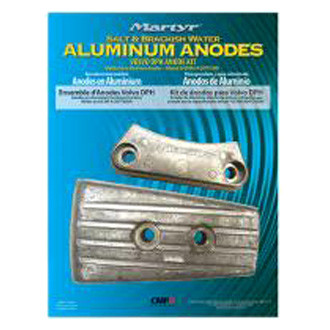
Martyr hull anodes can be made of zinc, aluminum, or magnesium, but which material is more preferable? Martyr magnesium anodes can work much better than others in fresh water only; if used in salt water, they quickly disintegrate, probably, in a few weeks. Martyr aluminum anodes are recommended for the use in brackish and salt water. Zinc anodes are the perfect choice for more aggressive salt water. In fresh water, they form an oxide layer relatively fast, which seriously affects their efficiency. Manufactured from military-grade alloys according to high quality standards, all these products are available in our online store as single pieces or in kits. Depending on a model, Martyr anode kits may include parts for bearings, nuts, shafts, rudders, and other crucial components that need protection.